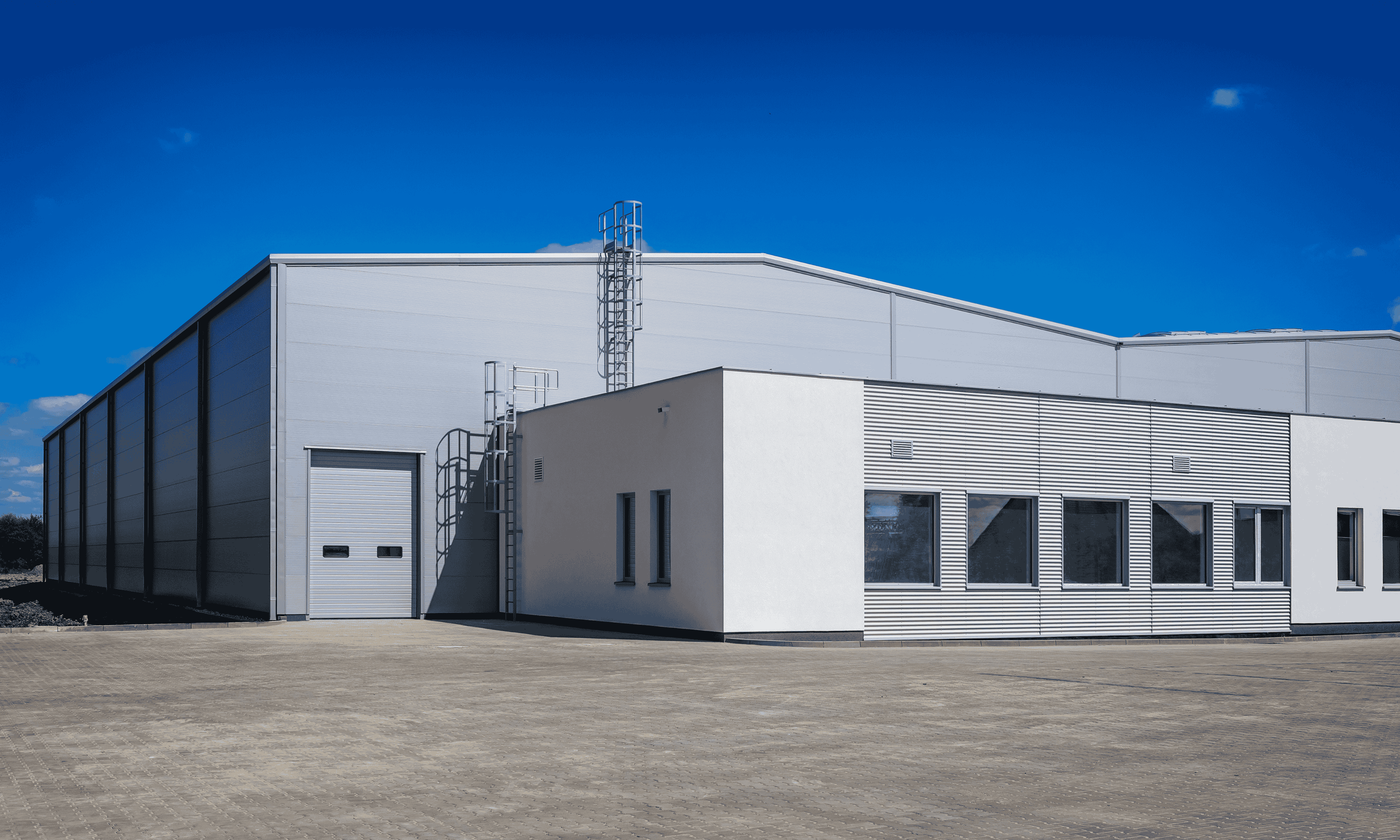
Container Freight Stations sit at the heart of Indian EXIM trade. A well-run CFS reduces dwell time, lowers demurrage, and keeps cargo moving from port to plant. Poorly run, it becomes the most expensive bottleneck in the chain.
At our Dronagiri facility, minutes from JNPT / Nhava Sheva, we treat dwell time as the number that matters most to an importer. Three levers do most of the work.
1. Pre-arrival documentation
The paperwork that clears a container is almost always ready-able before the vessel berths. When the invoice, packing list and bill of lading are reconciled in advance, the Bill of Entry can be filed and assessed early instead of after arrival.
2. Disciplined yard planning
A container that is placed once and examined once moves faster than one shuffled across the yard. We plan de-stuffing and examination slots against the release timeline so cargo is not waiting on space.
3. Digital coordination with the CHA
The CFS and the customs house agent work off a single shared timeline that every stakeholder can see. Fewer handoffs mean fewer surprises, and a predictable release window that importers can plan production around.
Get these three right and clearance compresses from days to hours for compliant importers. That is time, demurrage and working capital saved on every consignment.